

My mission is simple: Heal by Design. For the past three years, I’ve led product design and innovation in mental health, dedicated to supporting individuals and companies in ways that truly matter.
I'm always on the lookout for impactful innovations and I thought —why not share my findings? Because, after all, sharing is caring. Speaking of caring…
I’m thrilled to introduce TechCare, the first newsletter dedicated to mental health tech.
Each month, I’ll bring you the latest in tech innovations, stats, trends, business moves, a touch of gossip and jobs in mental health—all to keep well-being front and center for our community.
In this first Issue of TechCare #1
👴 Urgent tech needs for senior care
📱 Social media’s toll on sleep
🤖 Ethical dilemmas in mental health AI

🗳️ Election Stress Impacting American Sleep Patterns
As the U.S. presidential election is unfolding, a significant number of Americans report sleep disturbances linked to election-related stress. A recent survey by the National Sleep Foundation found that 17% of adults, approximately 45 million people, have experienced sleep issues due to election concerns.
Read more
👴 Why Tech for Seniors Needs a Revolution Now
A report from Innovation & Tech Today underscores the urgent need for a technology shift in senior care, given that nearly 1 in 6 people worldwide will be over 65 by 2050. Despite this growing demographic, only about 10% of seniors regularly use health tech, largely due to issues with usability and accessibility.
With an aging population facing increased risks for mental health challenges and sleep disorders, there’s a pressing need for tools specifically designed for seniors’ needs, from simplified interfaces to tailored health support. With baby boomers holding 51.8% of U.S. wealth as of Q1 2024 Statista there's a significant market for senior-focused technology.
Read more


4 billion people use Meta products (Facebook, Instagram, etc.) each month, which is about half of the world’s population. This is one wild fact among many that I learned from the Acquired podcast.
Social media addiction has become a global concern. Studies show that the attention-driven nature of these platforms can disrupt sleep, as constant notifications, blue light exposure, and the urge to stay connected lead to delayed bedtimes and poorer sleep quality.
Users may find it difficult to disconnect, as these platforms are designed to keep people engaged, often at the cost of restful sleep and mental well-being.
For a deeper understanding of Meta's influence, check out the Acquired podcast’s detailed analysis.
Read more

⌚️Zepp Health Introduces New Exertion Metric
Zepp Health’s latest exertion metric analyzes heart rate, movement, and recovery patterns, providing users with detailed insights into daily physical strain.
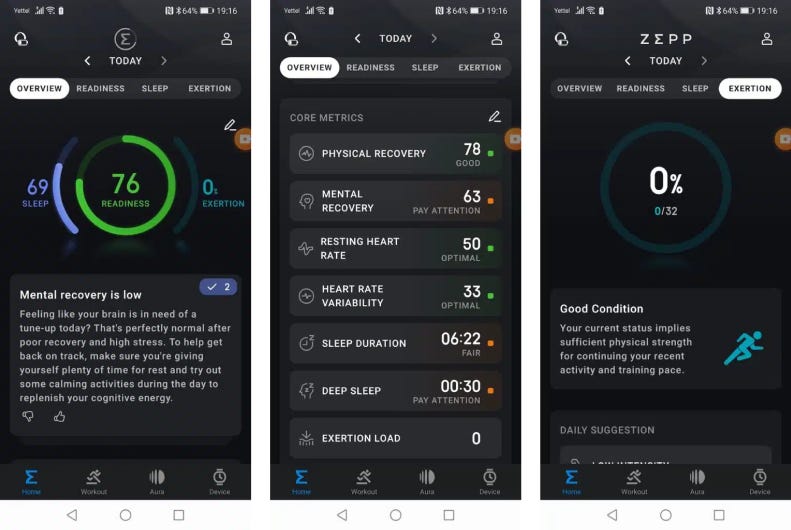
This feature is especially useful for those focused on sleep and recovery, allowing users to adjust their activities to optimize overall well-being.
Read more
🤖 Generative AI’s Role in Tackling Insomnia: Promises and Challenges
A Forbes article explores how generative AI, like ChatGPT, addresses insomnia.
It offers personalized sleep guidance, relaxation techniques, and CBT insights. However, experts note key challenges. Insomnia is complex and influenced by psychological and physical factors. AI alone may struggle to address it fully.
Safety is also a concern. AI solutions need rigorous validation to avoid unintended effects, especially in mental health. We are in what some call a "wanton grand experiment." Generic AI is used in mental health without clear evidence of its impact. The long-term effects on mental well-being are uncertain. This underscores the need for careful oversight and research.
Read more
🖤 Dialogue’s New Wellness Technology Offering
Dialogue has launched a wellness technology platform tailored to enhance employees mental and physical well-being in the workplace.
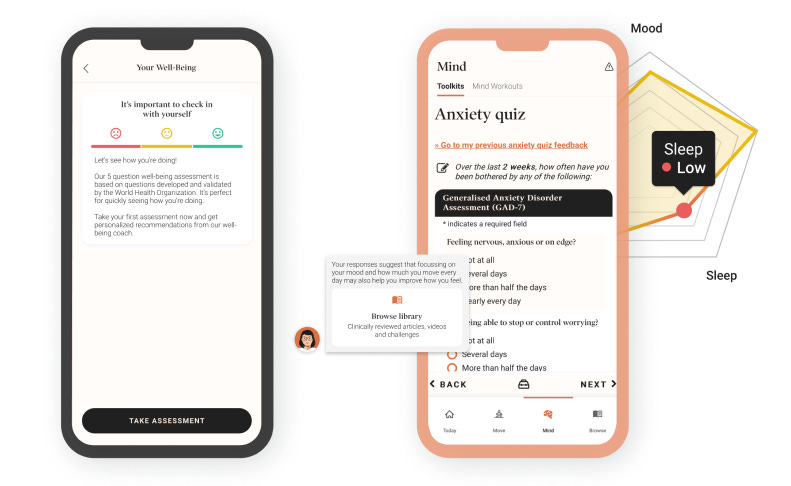
Key features include:
Personalized Programs: Targeted support for mental health, stress, and lifestyle management.
Progress Tracking: Tools to help users set health goals and monitor their progress.
Virtual Access: 24/7 access to wellness resources and expert support.
The program design has been validated through 8 randomized controlled trials (RCTs),
ensuring its effectiveness in treating mild to moderate mental health issues.
Read more

in collaboration with Philippe Stenstrom PhD.
🫶 Beyond the Algorithm: The Need for the Human Touch in Mental Health Care
A recent study (Chiu et al., 2024) reviewed nine mental health apps that incorporate AI and deep learning. It found that AI is unable to fully replace mental health treatment.
This limitation is primarily due to AI's inability to replicate the comprehensive skill set of psychotherapists. The researchers argue that, while AI can aid in diagnosis, prognosis, and patient support, it struggles with perceiving nuanced emotions.
It also has difficulty exhibiting empathic responses, interpreting relational dynamics, and observing subtle behavioural and emotional changes.
The authors conclude that integrating AI technology with human therapeutic approaches has significant potential. Such integration could enhance treatment outcomes, foster innovation, and drive advancements in mental health.
Read abstract

😢 AI in Mental Health—Promise and Peril
Artificial intelligence (AI) is increasingly integrated into mental health care, offering tools like chatbots and predictive analytics to enhance support and accessibility. However, recent events underscore the critical need for ethical considerations in deploying these technologies.
In February 16-year-old Sewell Setzer tragically took his own life after engaging with a Character.AI chatbot.
His mother, Megan Garcia, has filed a wrongful death lawsuit against Character.AI,
its founders Noam Shazeer and Daniel De Freitas, and Google, alleging that the chatbot
fostered a manipulative and harmful relationship with her son.

This case highlights the ethical challenges of AI in mental health, including issues
of privacy, consent, transparency, accountability, and bias. Experts emphasize the importance of integrating ethical principles into AI development
to prevent unintended harm and ensure responsible implementation.
Moreover, studies reveal that AI systems can exhibit biases, potentially exacerbating existing inequalities in mental health care. Addressing these biases is crucial to avoid reinforcing social disparities.
To move forward responsibly, mental health tech developers should adopt clear ethical guidelines, enforce transparency in AI interactions and consider safeguards for vulnerable users. As AI becomes more embedded in mental health care, prioritizing user safety and well-being through ethical design is essential.
Read more

💍 Oura Acquires Sparta Science to Enhance B2B Offerings
Oura, renowned for its smart rings, has acquired Sparta Science to bolster its B2B services. This strategic move integrates Sparta Science's Trinsic data platform, enhancing Oura's ability to deliver organizations comprehensive health and performance insights.
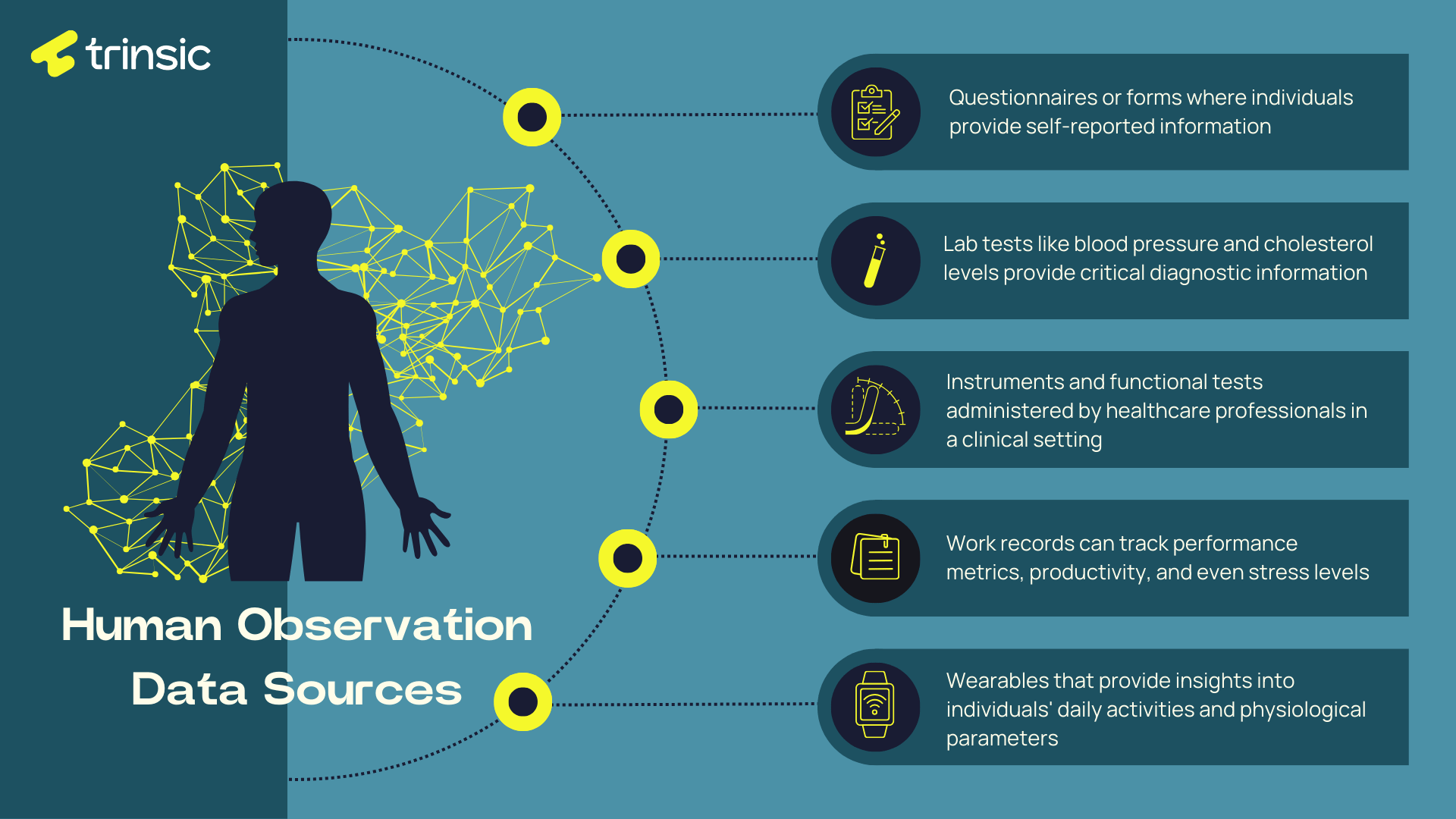
The acquisition aims to improve health monitoring and performance optimization for clients, including military and private sector partners.
Read more
🧡 New Health Innovations for First Nations Communities
Canada’s CAN Health Network, with $42 million in funding, is partnering with the First Nations Health Authority to deliver health tech to over 200 First Nations communities in British Columbia. This initiative aims to improve healthcare access by connecting Indigenous communities with innovative, market-ready health tools.
Indigenous communities face high rates of sleep disorders linked to historical trauma, environmental factors, and limited healthcare access.
Improving sleep health is vital for supporting mental, emotional, and physical well-being, fostering better overall health outcomes.
Read more

📉 Teladoc’s Q3 Losses Explained
Teladoc Health reported a Q3 2024 net loss of $33.3 million, improved from last year but impacted by key factors:
Revenue Drop: Total revenue decreased 3% to $640.5 million, including a 10% decline in the BetterHelp segment.
Expenses: High costs like $34 million in stock-based compensation and $51.1 million in amortization added to losses.
Despite modest growth in some areas, these financial pressures led to the quarter’s overall loss.
Read more
🧠 Cerebral Fined $3.7 Million for Unauthorized ADHD Prescriptions
Mental health startup Cerebral has agreed to pay nearly $3.7 million.
This follows a DOJ and DEA investigation into unauthorized prescriptions of ADHD medications and other controlled substances. The investigation revealed issues with Cerebral’s prescribing practices. Additionally, an extra $2.9 million fine has been deferred, as the company stated it could not pay the full amount. As part of the agreement, the DOJ will not criminally prosecute Cerebral or its leadership.
This fine follows Cerebral’s $7 million settlement with the FTC. That settlement addressed allegations of disclosing customer health information to third parties and making it difficult for customers to cancel services.
Read more

💤 The Rise of Sleep Tourism
NeuroLaunch highlights the growing trend of "sleep tourism," where travellers prioritize rest over traditional sightseeing.
High-end hotels and resorts are now offering specialized sleep programs, including soundproofed rooms, sleep-inducing amenities, and guided relaxation techniques to cater to guests seeking quality rest. This unique sector is expanding as awareness around the importance of sleep grows, with the global wellness tourism market projected to reach $1.2 trillion by 2027.
Learn more

Here are Condé Nast Traveler’s top recommendations for sleep tourism experiences.
Chiva-Som, Thailand: Sleep Enhancement Program with monitoring, testing, and personalized guidance. Starts at CAD 1,117 per person.
Park Hyatt, New York: Bryte Restorative Sleep Suite with smart mattress. Rates from CAD 2,000/night.
Six Senses, Portugal: Sleep Program with tracking and therapies. Minimum three-night stay from CAD 2,500.
Kamalaya, Thailand: Sleep Enhancement with wellness consultations and therapies. Starts at CAD 3,000 for five nights.
The Cadogan, London: Sleep Concierge with meditation, pillow menu, and weighted blankets. Rates from CAD 1,200/night.

Power
Create intuitive, supportive experiences that help patients navigate clinical trials and access life-changing medicine!
1 open role - Senior Product Designer based in SF, onsite
New Products at Optum
Build a world where everyone can afford to get and stay healthy with a company at the unique intersection of fintech + healthcare!
2 open roles - Associate Creative Director + Senior Visual Designer, remote (US)
Tender
The journey of caring for each other should be about love – work on a smart care system to help families improve their health + wealth!
1 open role - Product Design Lead based in NYC, hybrid (2 days onsite)

And that wraps up the first issue of TechCare!
I hope you found the insights valuable and, perhaps, a bit eye-opening.
Since this is just the beginning, I’d love to hear from you.
What topics interest you the most? What else would you like to see here?
Stay tuned for more, and remember, sharing is caring. See you next month!
If you come across any newsworthy updates or exciting innovations in mental health tech, feel free to contact me—let’s keep this conversation growing.